
Remove Duplicates in Google Sheets (Fast + Easy Methods)
How to Find and Remove Duplicates in Google Sheets If you manage any spreadsheet for…
Solutions
Solutions OverviewMarketing AgenciesSmall BusinessesSocial Media ManagersMarketing TeamsContent CreatorsMulti-Brand MarketingBy Outcome
Social Media CampaignsSeasonal MarketingProduct Launch ContentEvent PromotionBrand-Consistent ContentContent RepurposingCross-Platform ContentMarketing Asset ReuseProduct EducationEducational ContentCustomer Story ContentSEO Blog ProductionBlog Content RefreshContent Performance ReviewPricingResourcesOolook Best


In today’s fast-paced digital landscape, an AI content generator can be a game-changer for marketing teams. By streamlining content creation, you can focus on more strategic tasks and drive better results. Let’s explore five ways AI can revolutionize your content strategy and save your marketing team hours.
1. Automated Content Creation
AI tools can quickly generate high-quality content, from blog posts to social media updates. For example, platforms like ContentBot and Jarvis use sophisticated algorithms to produce engaging text, allowing your team to focus on refining and distributing content.
2. Enhanced Research Capabilities
AI can analyze vast amounts of data to provide insights and suggestions for content topics. Tools like BuzzSumo can identify trending topics and popular content formats, helping you stay ahead of the curve.
3. Personalized Content Experiences
With AI, you can create personalized content tailored to individual user preferences. Solutions like Persado use machine learning to craft messages that resonate with specific audience segments, improving engagement and conversion rates.
4. Efficient Content Optimization
AI-powered tools such as MarketMuse optimize your content for SEO by analyzing keywords and suggesting improvements. This ensures your content ranks higher on search engines, driving more organic traffic to your site.
5. Real-Time Performance Tracking
AI can provide real-time analytics and performance metrics, enabling you to adjust your content strategy on the fly. Platforms like DashThis offer comprehensive dashboards that track key performance indicators, ensuring your content efforts are always aligned with business goals.
By leveraging these AI capabilities, your marketing team can save countless hours while enhancing the quality and effectiveness of your content. Embrace the power of AI and watch your content strategy soar.
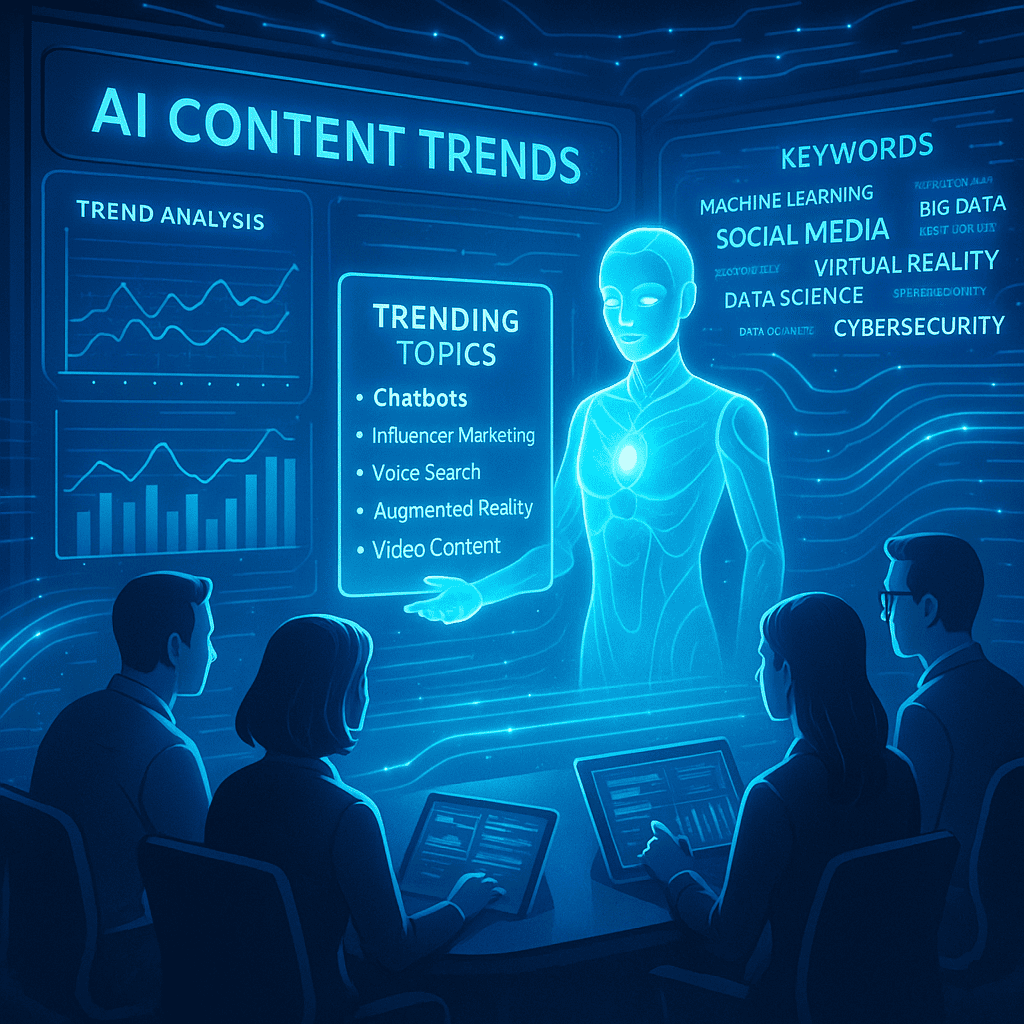
AI content generators have revolutionized the landscape of content creation, making it more efficient and innovative. These advanced content creation tools leverage artificial intelligence to produce written content, images, and even videos, streamlining the process significantly.
The journey of AI in content marketing began modestly, with early systems focusing on simple text generation. Over time, these tools have evolved dramatically, incorporating sophisticated algorithms and machine learning techniques to deliver high-quality, contextually relevant content. Today, AI content generators are capable of mimicking human writing styles, ensuring that the produced content resonates well with the target audience.
There are several key benefits to using an AI content generator. Firstly, they save an enormous amount of time by automating the content creation process. This allows marketing teams to allocate their resources towards more strategic tasks. Secondly, these tools can enhance creativity by providing fresh perspectives and ideas that a human writer might not consider. Lastly, AI-driven content ensures consistency in tone and style, which is crucial for maintaining brand voice and integrity.
To dive deeper into how AI is revolutionizing content creation, read our detailed analysis.
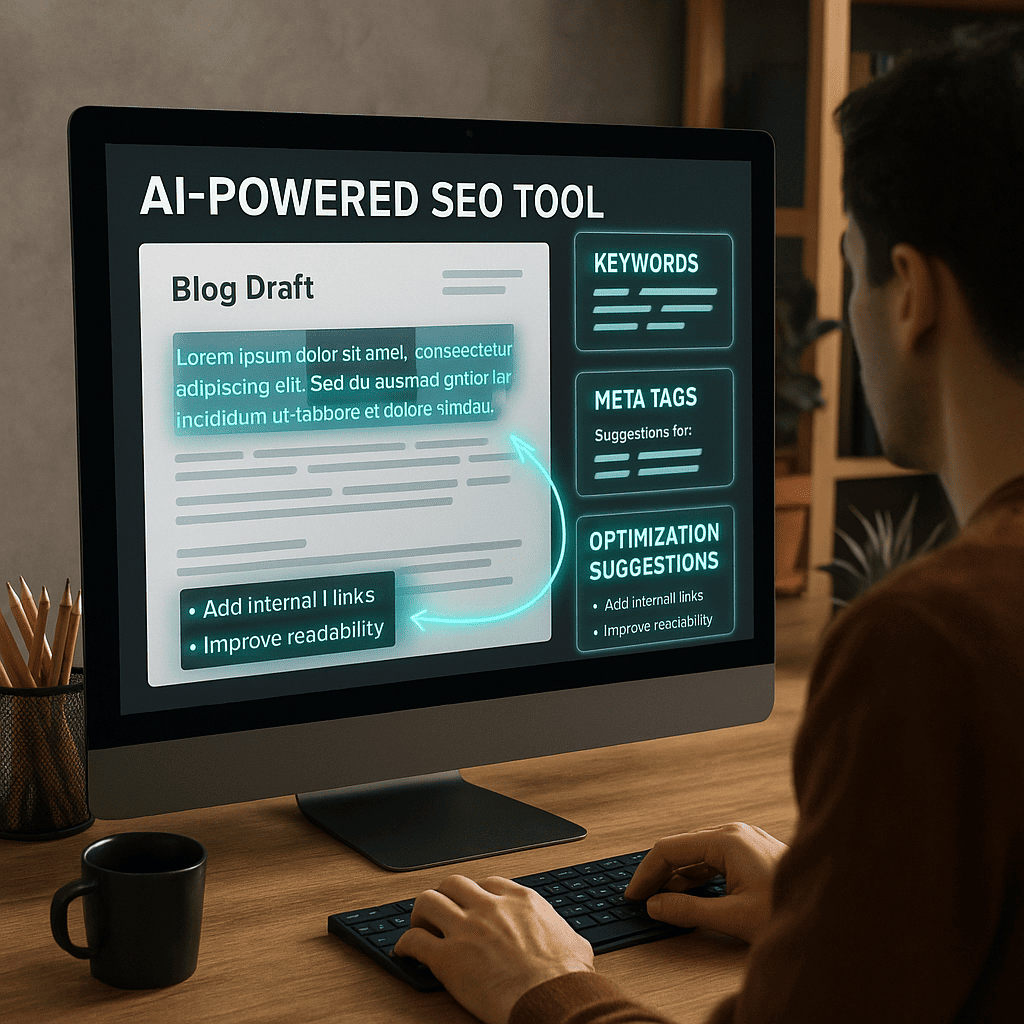
AI content generators have revolutionized the way we approach content creation, significantly enhancing marketing efficiency. By automating repetitive tasks, generating fresh content ideas, optimizing for SEO, personalizing content, and streamlining distribution, AI tools can save you substantial time and effort. Let’s delve into how these aspects are transforming the content landscape.
Repetitive tasks like scheduling posts, sending out newsletters, or managing social media updates can be handled efficiently by AI. Tools like FlowAutomate and ContentBot can take over these mundane activities, allowing you to focus on more strategic aspects. For instance, automating repetitive tasks such as data cleaning in Google Sheets can save hours each week.
AI can also assist in generating content ideas by analyzing trends, audience preferences, and top-performing topics. Tools like IdeaMachine analyze vast amounts of data to suggest relevant and engaging content themes. Imagine your AI assistant suggesting a trending topic that your audience is already talking about—how much easier would that make your brainstorming sessions?
SEO optimization is another area where AI excels. Tools like SEORankPro can analyze your content and suggest improvements for better search engine visibility. They can identify keyword opportunities, optimize meta tags, and ensure your content aligns with the latest SEO best practices. This not only boosts your ranking but also drives more organic traffic to your site.
Personalization has never been easier with AI. Tools such as AudienceTailor can segment your audience and customize content to match their preferences and behaviors. Whether it’s personalized email campaigns or tailored blog posts, AI enables you to connect with your audience on a deeper, more meaningful level.
Finally, AI can streamline content distribution across various channels. Tools like DistributeNow can handle the scheduling and posting of content, ensuring it reaches your audience at the optimal times. This ensures consistent engagement without you having to lift a finger.
By leveraging AI content generators, you can significantly enhance your marketing efficiency, leaving more room for creativity and strategic planning. It’s a game-changer in the realm of content creation, turning a time-consuming process into a streamlined, efficient workflow.
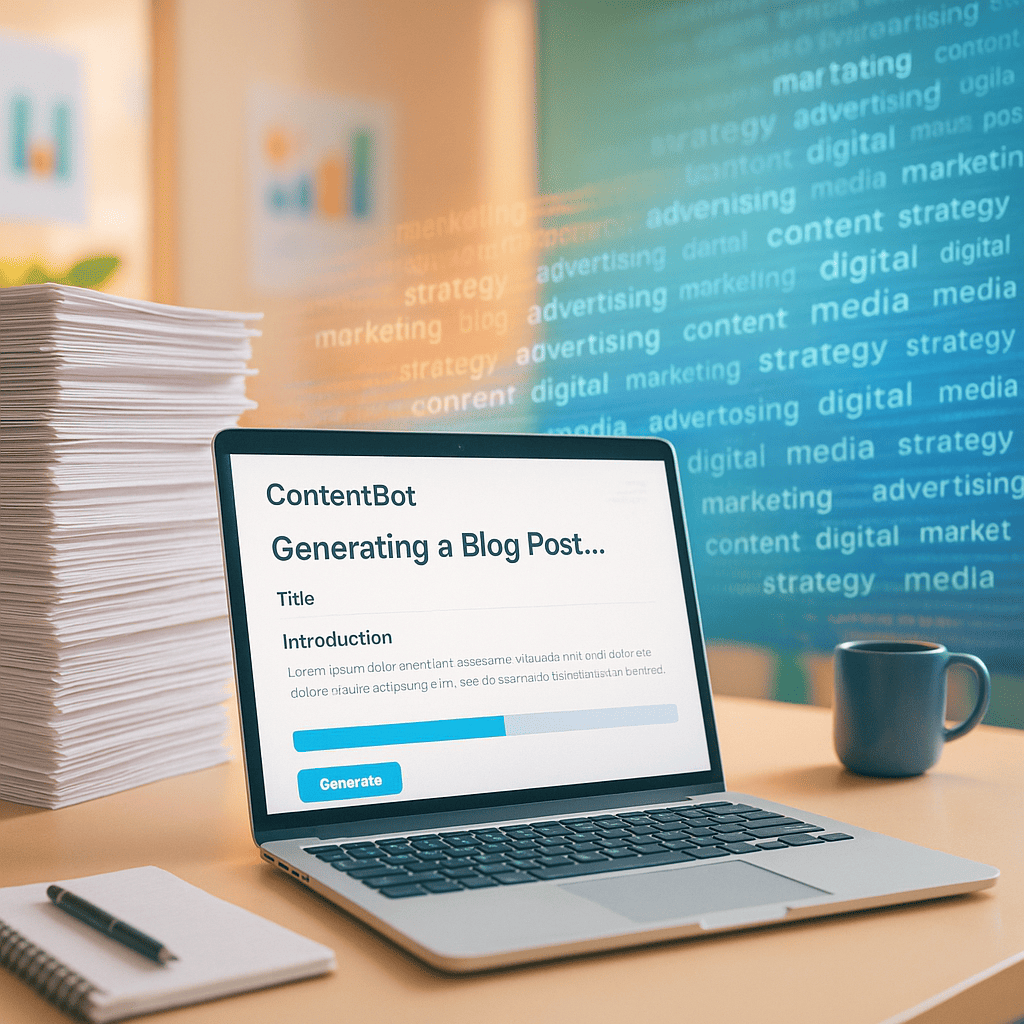
In the dynamic world of AI tools for marketers, it’s essential to stay updated on the best options available. Let’s delve into some of the top content creation tools that can revolutionize your marketing strategy.
Pros: Intuitive interface, diverse content types, affordable pricing.
Cons: Limited customization options, occasional need for manual edits.
Pricing: Starts at $29/month. Learn more.
Pros: High-quality output, extensive template library, fast generation times.
Cons: Higher price point, learning curve for new users.
Pricing: Starts at $19/month. Learn more.
Pros: High accuracy, customizable outputs, excellent support resources.
Cons: Premium pricing, occasional off-topic results.
Pricing: Starts at $29/month. Learn more.
When comparing different tools, it’s clear that each offers unique strengths tailored to various aspects of marketing. Whether you prioritize affordability, quality, or speed, there’s an AI tool designed to meet your specific needs.
Integrating AI in content marketing can significantly enhance your digital marketing automation and overall content strategy. Let’s break down the process step-by-step to ensure a smooth transition to AI-powered content creation.
Start by evaluating your existing content strategy. Identify what works well and where there are gaps. This assessment will help you understand how AI can augment your strategy. For instance, if you struggle with content ideation, an AI tool can generate topic ideas based on trending keywords.
There is a plethora of AI tools available, each with unique features tailored to different aspects of content marketing. Tools like ContentGenius or AutoWriter might be excellent for generating blog posts, while InsightDash can help analyze audience engagement. Choose tools that align with your specific needs and integrate seamlessly with your existing systems.
Once you have selected the tools, training your team is crucial. Ensure that your team understands how to use these tools effectively. This might involve workshops, online courses, or hands-on training sessions. Detailed guides and tutorials can be invaluable. For more about this topic, check out our guide on training your team on new tools.
Finally, it’s essential to monitor the impact of AI on your content strategy. Use analytics tools to track metrics such as engagement rates, conversion rates, and overall content performance. Compare these metrics to your pre-AI implementation benchmarks to assess the effectiveness of the AI tools.
Ready to take your content strategy to the next level? Start exploring AI tools today and see the difference it can make.
To truly understand the impact of an AI content generator, let’s dive into some real-world examples and case studies that showcase how companies have leveraged these tools for impressive results.
Company A, a mid-sized e-commerce business, faced challenges in creating personalized content at scale. By integrating an AI content generator, they were able to produce custom recommendations and blog posts tailored to their diverse customer base. Within six months, their website traffic surged by 40%, and customer engagement increased significantly.
One key factor in their success was the AI’s ability to analyze user data and preferences, creating content that resonated deeply with each segment of their audience. This personalized approach not only improved customer satisfaction but also drove higher conversion rates.
Company B, a digital marketing agency, struggled with the time-consuming task of generating high-quality reports and content for their clients. By adopting an AI content generator, they streamlined their workflow, reducing the time spent on content creation by 50%. This efficiency gain allowed their team to focus more on strategy and creative aspects, enhancing overall service quality.
The AI tool also ensured consistency in tone and style, which was crucial for maintaining the agency’s professional image. As a result, Company B saw a 30% increase in client retention rates and improved overall client satisfaction.
These case studies highlight several valuable lessons:
If you’re looking to replicate these successes, consider the following tips:
For more insights on improving efficiency with tools, check out our detailed guide on this topic.
An AI content generator is a sophisticated tool that leverages artificial intelligence to create written content. Unlike traditional content creation, which involves manual effort and extensive time, AI content generators use algorithms to produce text rapidly and efficiently. These tools can generate articles, blog posts, product descriptions, and more, often based on specific inputs or prompts.
AI content generators differ significantly from traditional content creation by automating the writing process. Instead of relying on human creativity and labor, they utilize machine learning models trained on vast datasets to produce coherent and contextually relevant content. This automation enables faster content production and can help maintain consistency across large volumes of text.
Some popular AI content generators include tools like OpenAI’s GPT-3, Jasper, and Writesonic. These platforms offer various features, from drafting basic content to more advanced capabilities like tone adjustment and stylistic customization, making them invaluable for businesses and content creators alike.
AI enhances content creation efficiency by automating repetitive tasks, allowing you to focus on more strategic aspects. Imagine the time saved when AI handles mundane activities like formatting, proofreading, and even generating meta descriptions. This automation is a game-changer in streamlining your workflow.
Additionally, AI accelerates content generation. With advanced algorithms, AI tools can produce well-structured content in a fraction of the time it would take a human. This speed is particularly beneficial when you need to meet tight deadlines without compromising quality.
Moreover, AI tools can optimize your content for SEO and personalization. They analyze vast amounts of data to suggest keywords, improve readability, and tailor content to specific audience segments. By leveraging AI, you ensure your content is both search engine-friendly and highly relevant to your readers.
When it comes to content generation, several AI tools stand out for their exceptional capabilities. Here’s a quick overview:
Integrating AI into your existing content strategy starts with a thorough assessment of your current approach. Identify the strengths and weaknesses in your current content performance. This will help you pinpoint areas where AI can provide the most benefit, such as content creation, personalization, or analytics.
Next, selecting the right AI tools is crucial. Consider tools that align with your specific needs, whether it’s generating high-quality content, optimizing SEO, or analyzing user engagement. Tools like ‘ContentGenie’ for writing assistance or ‘InsightAI’ for data analytics can be game-changers.
Once you have chosen your tools, the implementation phase begins. Train your team on how to use these tools effectively. Start with small pilot projects to refine your approach and gradually scale up as you become more comfortable with the technology. By following these steps, you can seamlessly integrate AI into your content strategy and achieve greater efficiency and effectiveness.
While AI can revolutionize content creation, it’s essential to be aware of potential drawbacks. One major concern is the risk of producing low-quality or generic content that fails to engage readers. Additionally, AI systems can inadvertently replicate biases present in their training data, leading to unintended ethical issues.
To mitigate these risks, it’s crucial to implement best practices for safe AI usage. Regularly review and refine the AI-generated content to ensure it aligns with your brand’s quality standards. Incorporating human oversight can significantly enhance the relevance and accuracy of the content.
Explore more insights on AI, social media, and building a brand that lasts.
How to Find and Remove Duplicates in Google Sheets If you manage any spreadsheet for…

If you’ve ever been interrupted by the Sticky Keys feature while gaming or typing, you’ll…

The landscape of social media in 2025 is both dynamic and expansive. As we dive…

TikTok’s GRWM Craze Explained: Makeup Hacks You’ll Wish You Knew Sooner Ever wondered about the…