
Instagram Growth & Engagement Playbook 2025: Strategies, Benchmarks & Tools
Instagram Growth & Engagement Playbook 2025: Strategies, Benchmarks & Tools Welcome to the definitive Instagram…
Solutions
Solutions OverviewMarketing AgenciesSmall BusinessesSocial Media ManagersMarketing TeamsContent CreatorsMulti-Brand MarketingBy Outcome
Social Media CampaignsSeasonal MarketingProduct Launch ContentEvent PromotionBrand-Consistent ContentContent RepurposingCross-Platform ContentMarketing Asset ReuseProduct EducationEducational ContentCustomer Story ContentSEO Blog ProductionBlog Content RefreshContent Performance ReviewPricingResourcesOolook Best

It’s no secret that influencer marketing has become a costly endeavor with diminishing returns. As users grow increasingly skeptical of paid endorsements, brands are turning to a more authentic strategy: User-Generated Content (UGC) creators.
UGC creators are everyday social media users who generate content that resonates on a personal level. Unlike influencers, they provide genuine, relatable experiences which lead to higher engagement and trust among followers. This authenticity is what sets them apart and makes their content more impactful.
Brands can harness the power of UGC creators by encouraging their customers to share their experiences and rewarding them for their contributions. This approach not only builds a loyal community but also creates a wealth of authentic content that can be repurposed across various marketing channels.
In conclusion, forget influencers: UGC creators are proving themselves as the new goldmine in social media marketing, offering cost-effective, trustworthy, and highly engaging content that drives real connections.
UGC creators, or user-generated content creators, are individuals who produce authentic content based on their experiences and interactions with a brand, product, or service. Unlike traditional influencers, whose content is often polished and sponsored, UGC creators focus on delivering raw, genuine, and relatable content that resonates deeply with audiences.
Imagine scrolling through your social media feed and coming across a heartfelt review of a new gadget by an everyday user. This is an example of UGC creators in action, where the authenticity of their content builds trust and engagement among consumers. These creators can be anyone from a loyal customer sharing their favorite skincare routine on Instagram to a tech enthusiast unboxing and reviewing a new smartphone on YouTube.
So, why are UGC creators gaining so much popularity? The answer lies in their ability to connect with audiences on a personal level. As consumers become more skeptical of traditional advertising, they seek out genuine recommendations and relatable experiences. UGC creators provide this, making them invaluable assets for brands aiming to foster trust and authenticity.
Want to dive deeper into the world of social media acronyms and slang? Understanding these terms can further enhance your appreciation of UGC creators and their impact.

When diving into the world of digital marketing, it’s crucial to understand the distinct roles and strengths of UGC creators and influencers. While both contribute to brand storytelling, their approaches and impacts differ significantly.
To better illustrate the differences and strengths of each, let’s consider the following comparison:
| Aspect | UGC Creators | Influencers |
|---|---|---|
| Authenticity | High – Content is organic and user-driven | Variable – May be seen as less authentic due to sponsorships |
| Reach | Moderate – Depends on individual creator’s network | High – Leveraging large follower bases |
| Cost | Lower – Often costs less as content is user-generated | Higher – Fees for sponsored content can be substantial |
| Engagement | High – Genuine interactions based on real experiences | Moderate – Engagement can be high but may feel less personal |
In today’s market, UGC creators are often more effective because their authentic content resonates deeply with audiences looking for genuine recommendations. This shift towards authenticity is underscored by the latest social media statistics, highlighting the growing preference for real, relatable content.

Understanding the benefits of UGC creators is essential for brands looking to cultivate genuine connections with their audience. User-generated content (UGC) creators offer a multitude of advantages that can significantly enhance your brand’s online presence and engagement.
One of the primary benefits of UGC creators is their cost-effectiveness. Unlike traditional influencers, UGC creators typically require lower compensation, making them a budget-friendly option for brands. This approach allows for the allocation of resources to other critical areas, such as product development or marketing campaigns, without compromising on quality or impact.
Audiences today crave authenticity, and UGC creators deliver just that. They produce content that feels genuine and relatable, fostering a sense of trust among viewers. This authenticity can greatly enhance your brand’s credibility. After all, people tend to trust real customers and their experiences over polished advertisements. For instance, a recent study on social media statistics demonstrates that consumers are more likely to engage with content that appears organic and unscripted.
Content created by UGC creators often results in higher engagement rates. Their followers are typically more interactive and invested in their posts, leading to increased likes, shares, and comments. This elevated level of brand engagement can drive more traffic to your site and boost overall brand awareness. The interactive nature of UGC can also create a community-like atmosphere, which can be a powerful asset for any brand.
Building long-term brand loyalty is another significant advantage of using UGC creators. When customers see themselves reflected in your content, they feel valued and connected to your brand. This connection encourages repeat business and fosters a loyal customer base. By continually engaging with UGC creators, you can maintain an ongoing relationship with your audience, ensuring that your brand remains top-of-mind.
In summary, leveraging the power of UGC creators can transform your marketing strategy by making it more authentic, cost-effective, and engaging. The benefits of UGC creators are clear: they build trust, drive engagement, and foster long-term loyalty, making them an indispensable tool for modern marketing.

Implementing a robust UGC strategy can significantly elevate your content marketing efforts. However, to harness the full potential of user-generated content, you need to understand the nuances of working with UGC creators.
Finding the right UGC creators is crucial. Start by defining your target audience and identify creators who align with your brand values and aesthetics. Use social listening tools to discover potential creators who are already engaging with your brand or discussing topics relevant to your industry.
Engaging with UGC creators involves more than just reaching out. Develop authentic relationships by interacting with their content and providing constructive feedback. Consider running contests or challenges to incentivize participation. For example, a fashion brand could host a styling challenge, encouraging users to submit their unique looks using brand products.
Clear content guidelines ensure consistency and quality. Provide creators with a brief that outlines your objectives, preferred formats, and any specific elements to include. Encourage creativity while maintaining brand alignment. For instance, specify if certain hashtags or brand mentions are required. Remember, the goal is to maintain a balance between guiding creators and allowing their individuality to shine.
Managing UGC efficiently requires the right tools. Platforms like InsightDash and FlowAutomate can streamline the process. These tools help you organize submissions, track engagement metrics, and ensure all content meets your guidelines. Additionally, platforms such as this guide can offer insights into optimizing your workflow.
“A well-executed UGC strategy can transform your content marketing by fostering genuine connections and enhancing brand credibility.”
By following these steps, you can effectively leverage UGC creators to amplify your brand’s voice and reach. Ready to dive deeper? Explore more about the essential tools for managing UGC to streamline your strategy.
When it comes to engaging UGC creators, building strong relationships is paramount. Start by identifying creators who align with your brand values and audience. Reach out with personalized messages and offer authentic praise for their work. This establishes a foundation of trust and respect, essential for long-term collaboration.
Clear communication is another critical best practice. Provide clear guidelines that outline your expectations, content themes, and any specific requirements. Regular feedback helps creators understand what works and what needs improvement, fostering a more productive relationship.
Incentives play a vital role in motivating creators. Consider offering exclusive access to new products, monetary rewards, or featuring their content on your platforms. Incentives not only encourage participation but also demonstrate appreciation for their efforts.
Measuring success is crucial to refining your approach. Track metrics such as engagement rates, content reach, and audience feedback to gauge the impact of UGC. Use this data to make informed adjustments, ensuring your strategies remain effective and aligned with your goals.
Examining UGC case studies can provide valuable insights into what makes a campaign truly effective. Let’s delve into two notable examples that have harnessed the power of user-generated content to achieve remarkable results.
“User-generated content campaigns can significantly enhance brand visibility and customer engagement when executed thoughtfully.” – Marketing Expert
From these case studies, we’ve learned that encouraging creativity and providing a platform for users to share their content can drive immense engagement. Furthermore, showcasing user-created content can build a sense of community and trust around your brand.
For more insights, explore our social media statistics to understand the growing impact of UGC.
Understanding the return on investment (ROI) of user-generated content (UGC) campaigns is crucial for determining their success. To effectively measure UGC ROI, you should focus on several key metrics, utilize specialized tools, and analyze both short-term and long-term impacts.
When measuring ROI, start by tracking these essential metrics:
Several tools can help you measure the ROI of your UGC campaigns effectively:
Consider the case of a fashion brand that leveraged UGC to boost sales. By encouraging customers to share photos wearing their products, the brand saw a 25% increase in engagement and a 15% rise in sales. This real-world example highlights the tangible benefits of UGC campaigns.
It’s important to analyze the long-term impact of UGC campaigns. Beyond immediate metrics, consider the sustained growth in brand loyalty and community building. Over time, successful UGC campaigns can lead to a significant boost in organic brand advocacy, reducing marketing costs and enhancing customer retention.
By consistently measuring the ROI of your UGC campaigns, you can fine-tune strategies to maximize their effectiveness. Refer to our social media statistics for more insights on optimizing your UGC efforts.
A User-Generated Content (UGC) creator is an individual who produces content—such as photos, videos, or reviews—related to a brand or product, usually without being formally affiliated with the brand. This content is typically shared on social media platforms and can significantly influence audience perceptions and buying decisions.
Unlike traditional influencers, UGC creators are often regular consumers who share their authentic experiences, making their content appear more genuine and relatable. While influencers usually have a large following and are often paid for promotions, UGC creators generate content out of personal passion or interest, adding a layer of trustworthiness and authenticity.
UGC creators and influencers play distinct roles in the digital marketing ecosystem. UGC creators focus on generating authentic content based on their personal experiences with a product or service. Their primary goal is to provide genuine, relatable content that resonates with potential customers.
On the other hand, influencers usually have a significant following and leverage their popularity to promote brands. They often create content that aligns with their personal brand and audience expectations.
Both have unique benefits: UGC creators offer authenticity and relatability, while influencers provide reach and credibility.
Explore more insights on AI, social media, and building a brand that lasts.
Instagram Growth & Engagement Playbook 2025: Strategies, Benchmarks & Tools Welcome to the definitive Instagram…
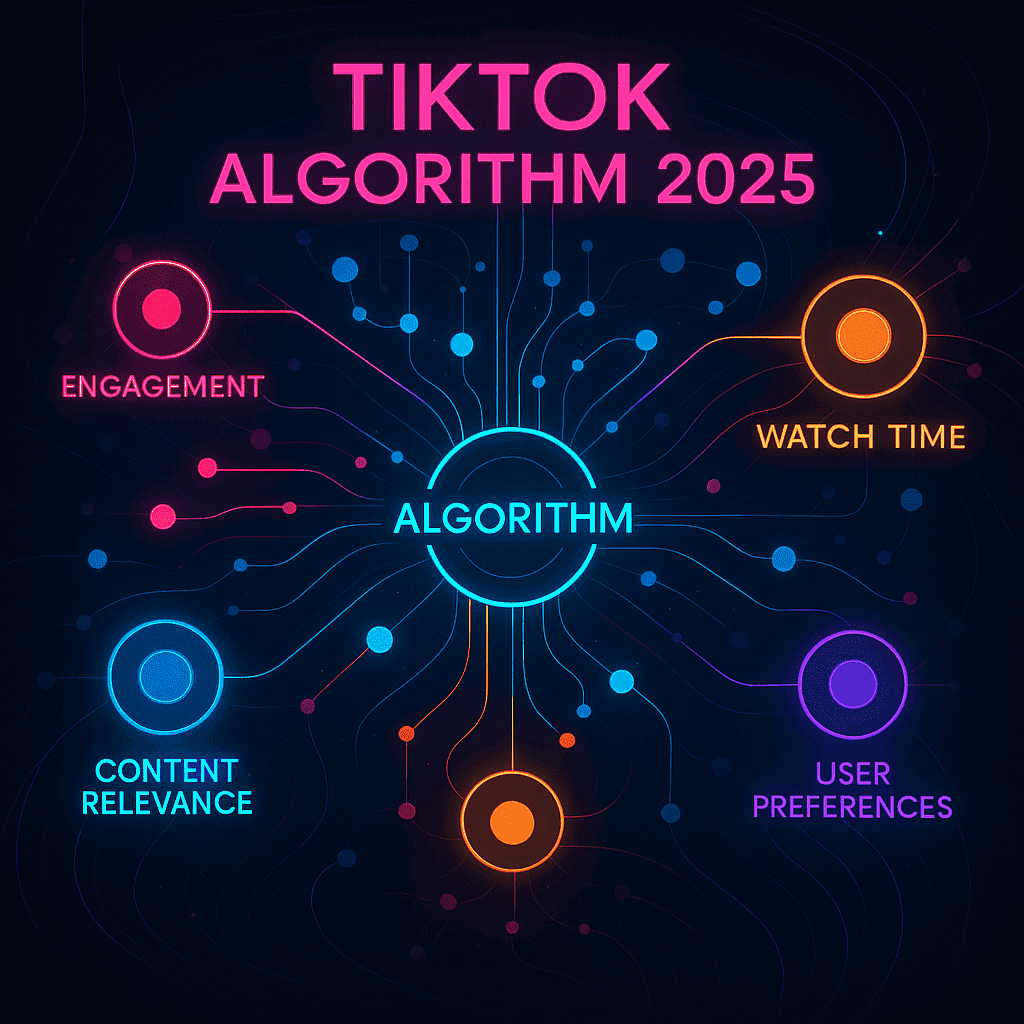
How to Grow on TikTok in 2025: Data-Backed Guide to Followers, Views & Viral Reach…

How to Remove Duplicates in Excel (5 Methods for Clean Data) Removing duplicates in Excel…

Embarking on the journey to becoming a UGC creator can be both thrilling and overwhelming.…